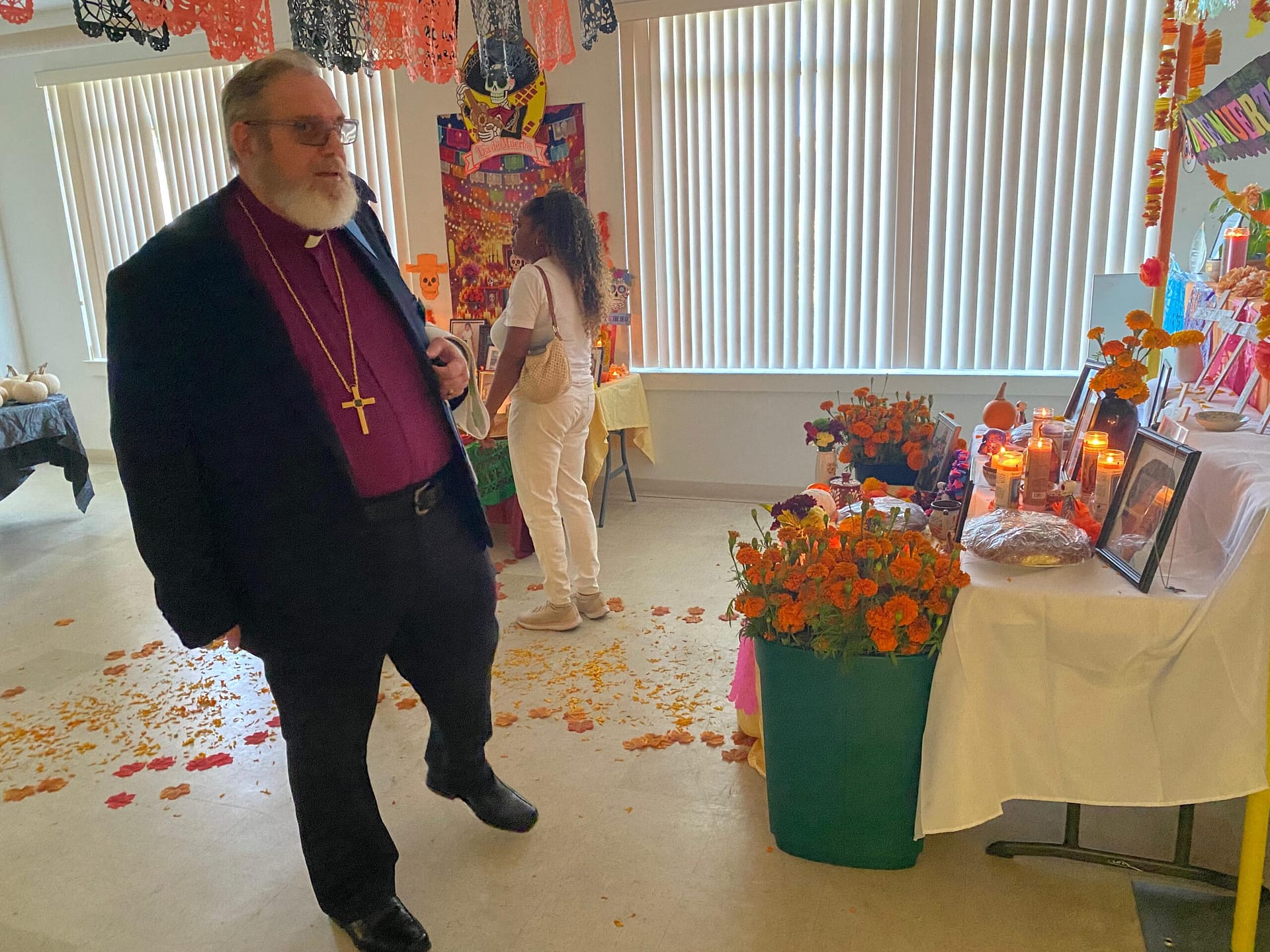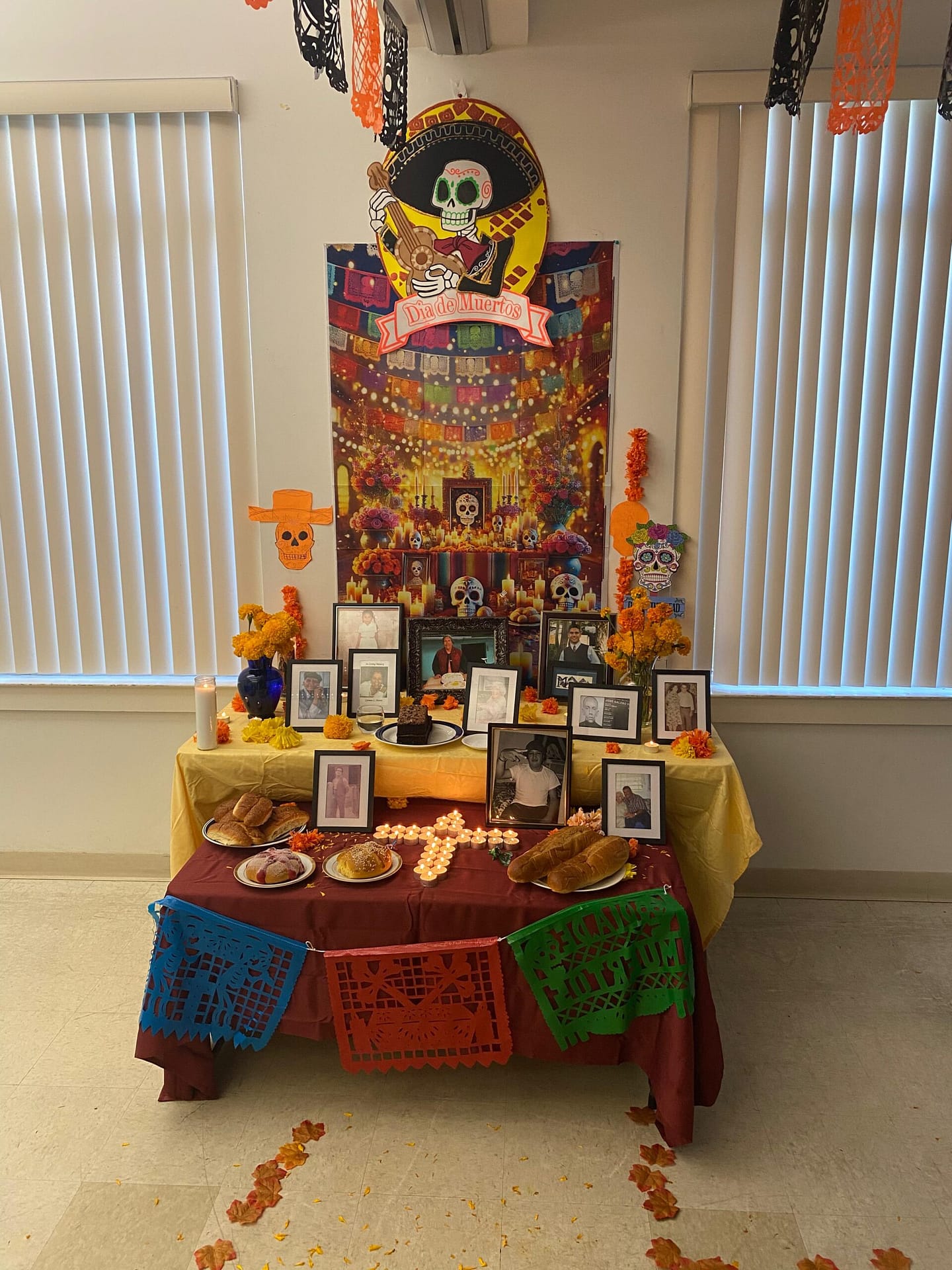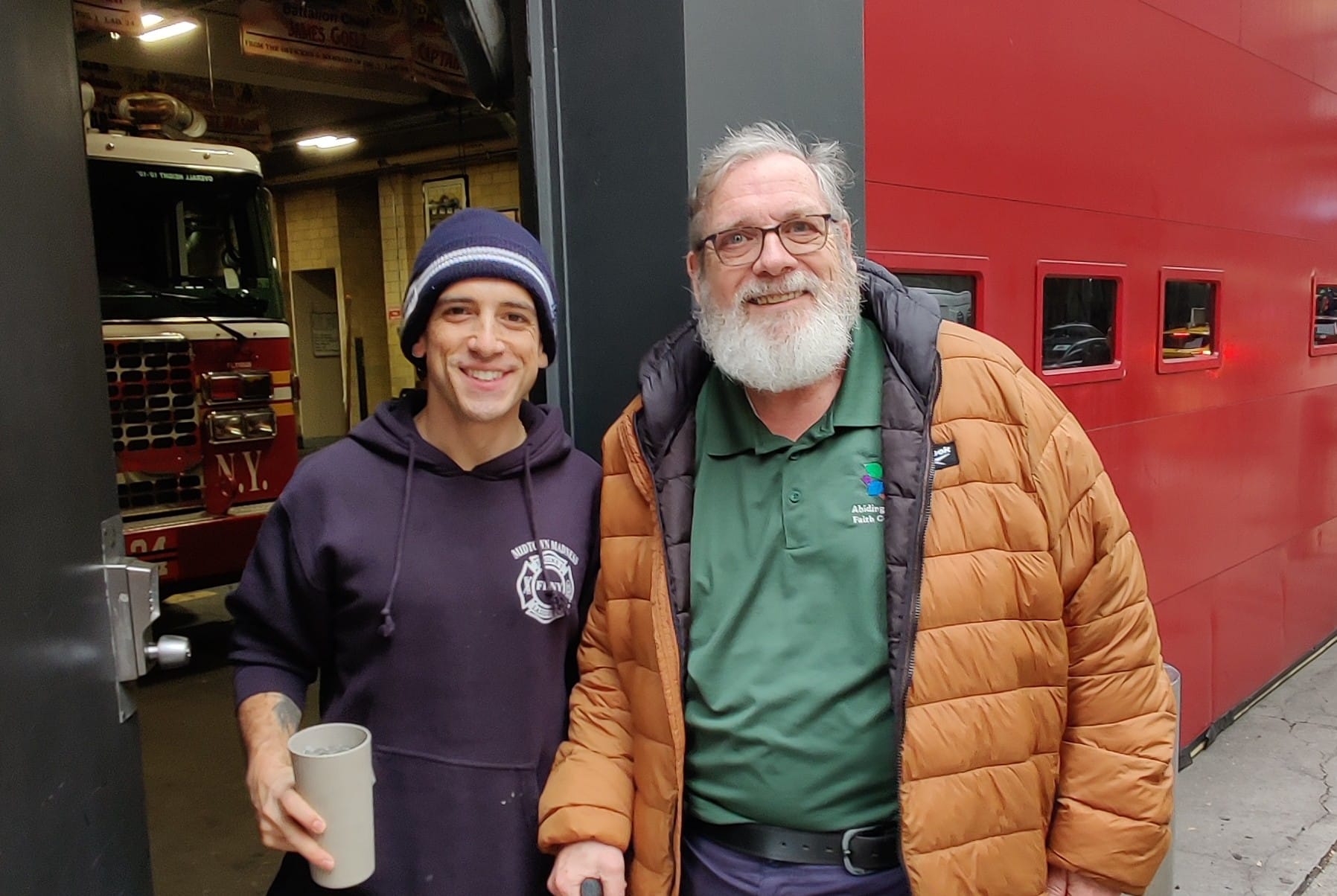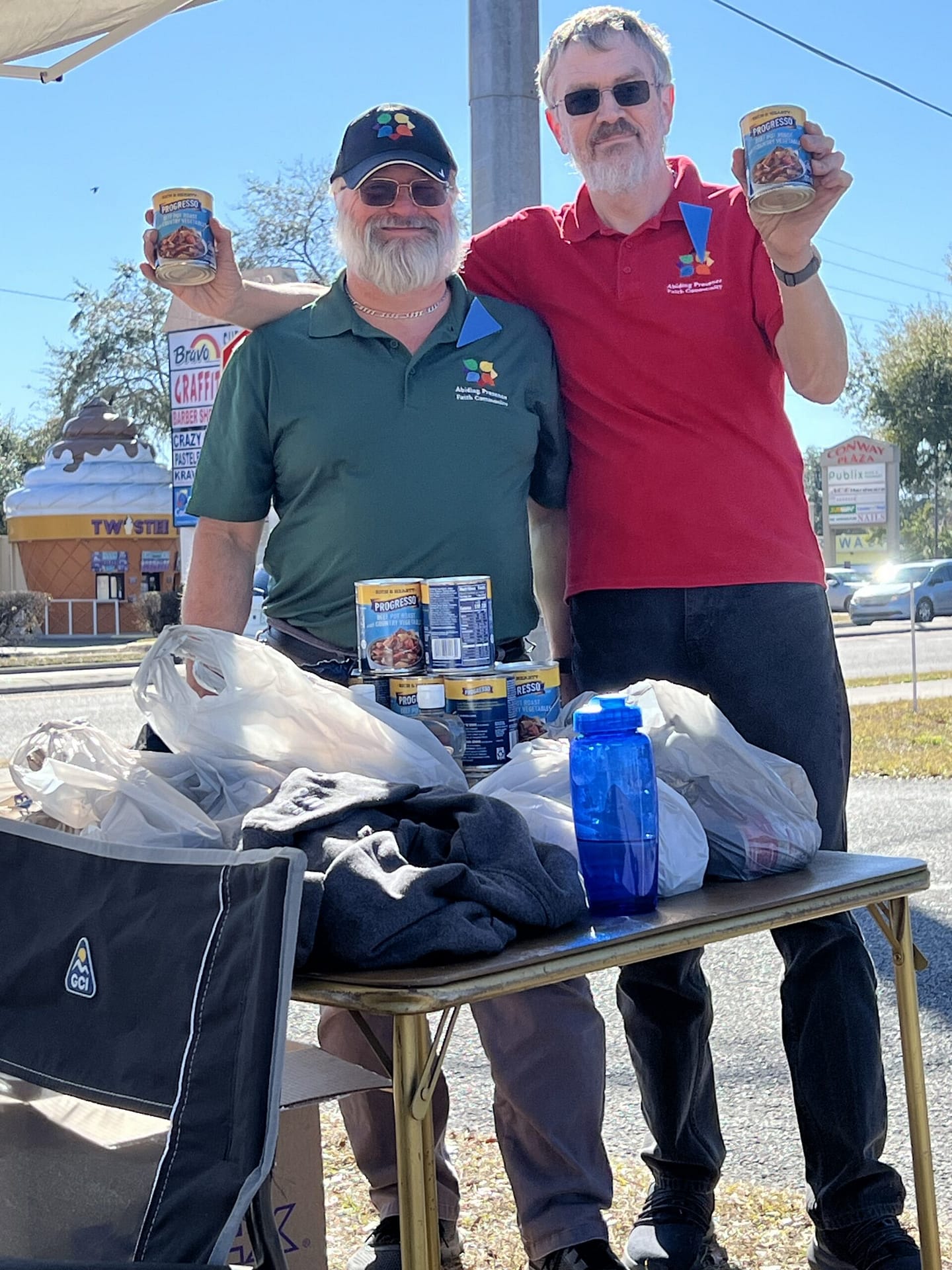


Come Worship With Us

Click here to join our Live Stream of Saturday Vigil Mass

Click Here For past Videos of Divine Worship 

Most Rev. William R. Cavins, Pastor

Peace Be With You

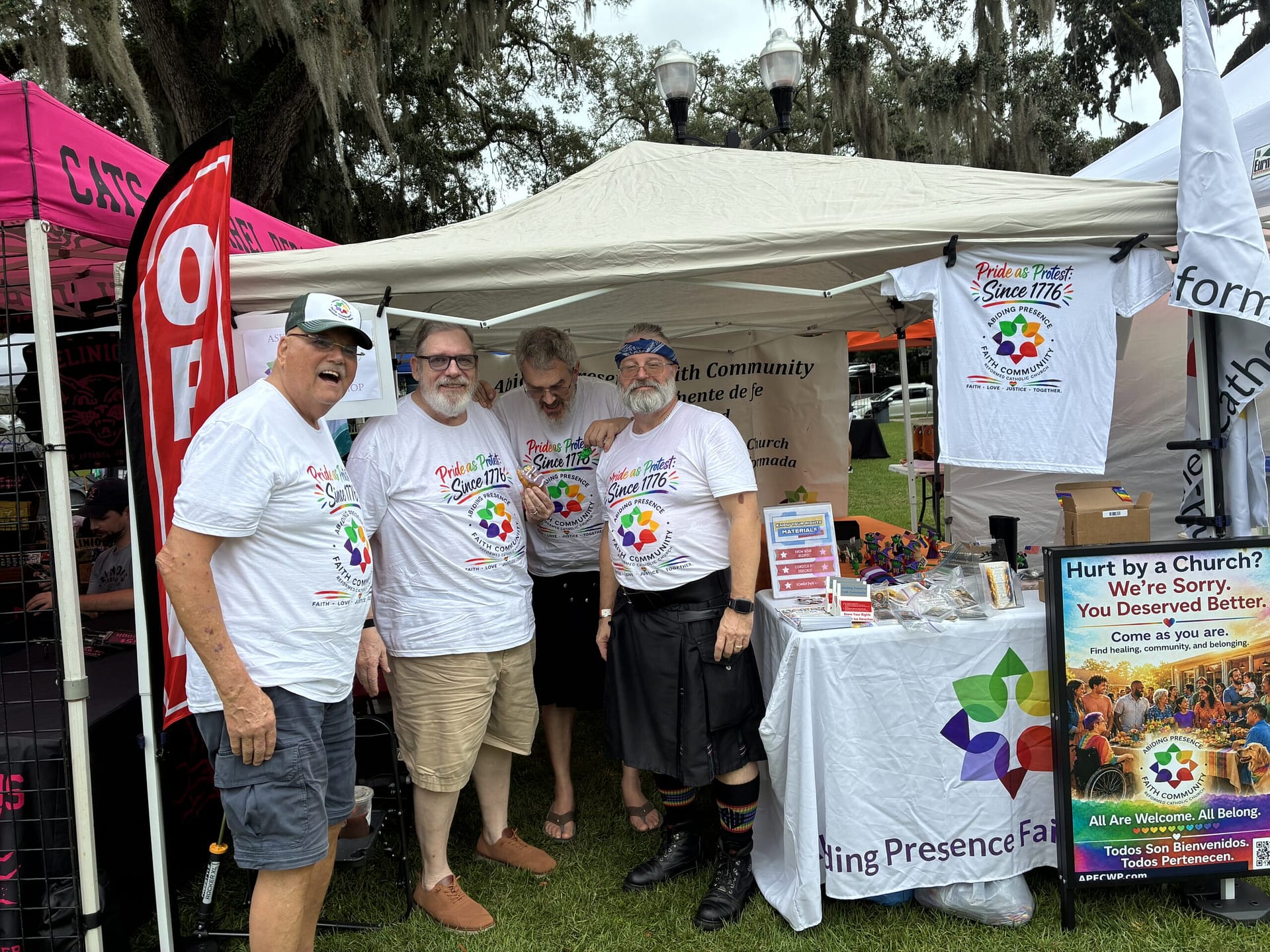
Abiding Presence Faith Community, a parish of The Reformed Catholic Church, welcomes you to our inclusive Catholic family. Together, we strive to make God’s love known in Central Florida by leading people to a life-changing relationship with Jesus Christ. No matter what you’ve been through. We are here for you. Whatever questions you have. We will try to answer them. Your spiritual journey is unique, and we celebrate the diversity of our members.

Abiding Presence is where you’ll find the grace, mercy, and forgiveness Jesus gives everyone. We are similar to other catholic churches in our liturgy, sacraments, and apostolic succession. What makes us different is our desire to include everyone regardless of marital status, gender identity, or other human distinctions that lead to exclusion. 

We invite you to worship with us this Saturday and participate in “Making God’s Love Known.”

From the Bishop’s Desk

Lent: Called to Be Christ’s Presence

Dear Friends in Christ,

Lent is far more than a season of giving things up, it is a time to reclaim the identity we received at baptism. In those waters, we were united with Christ’s death and resurrection and commissioned to make His presence visible in the world. Lent invites us to renew that
mission through prayer, fasting, and acts of mercy that embody God’s love.

Saint Paul writes: “As many of you as were baptized into Christ have clothed yourselves with Christ” (Galatians 3:27). To be “clothed with Christ”
means that our lives reflect His compassion and justice. Lent Challenges us to ask: How am I living as Christ’s presence in my family, workplace, and community?

One way to answer that call is through the Corporal Works of Mercy, which root our faith in concrete acts of love:

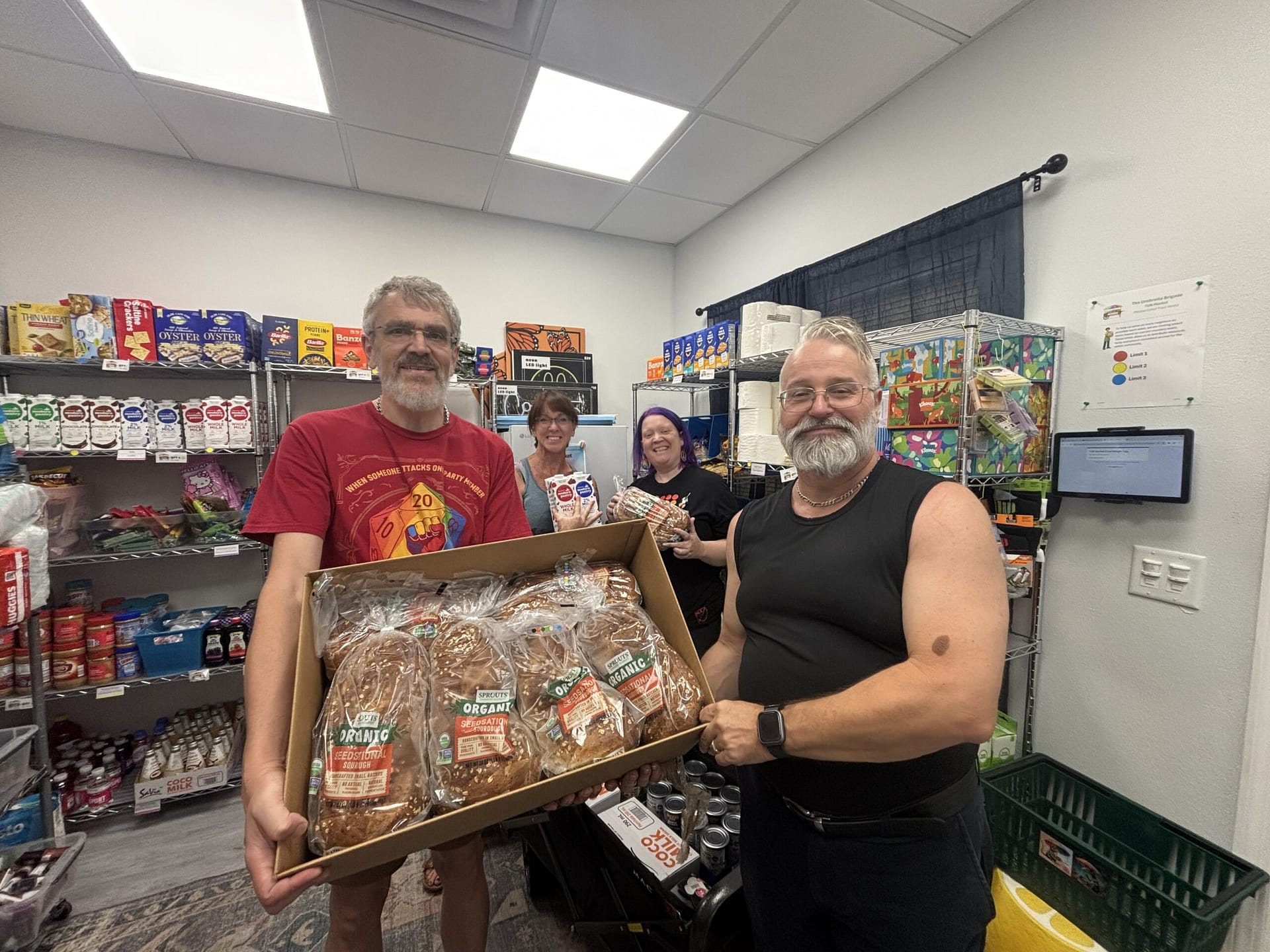
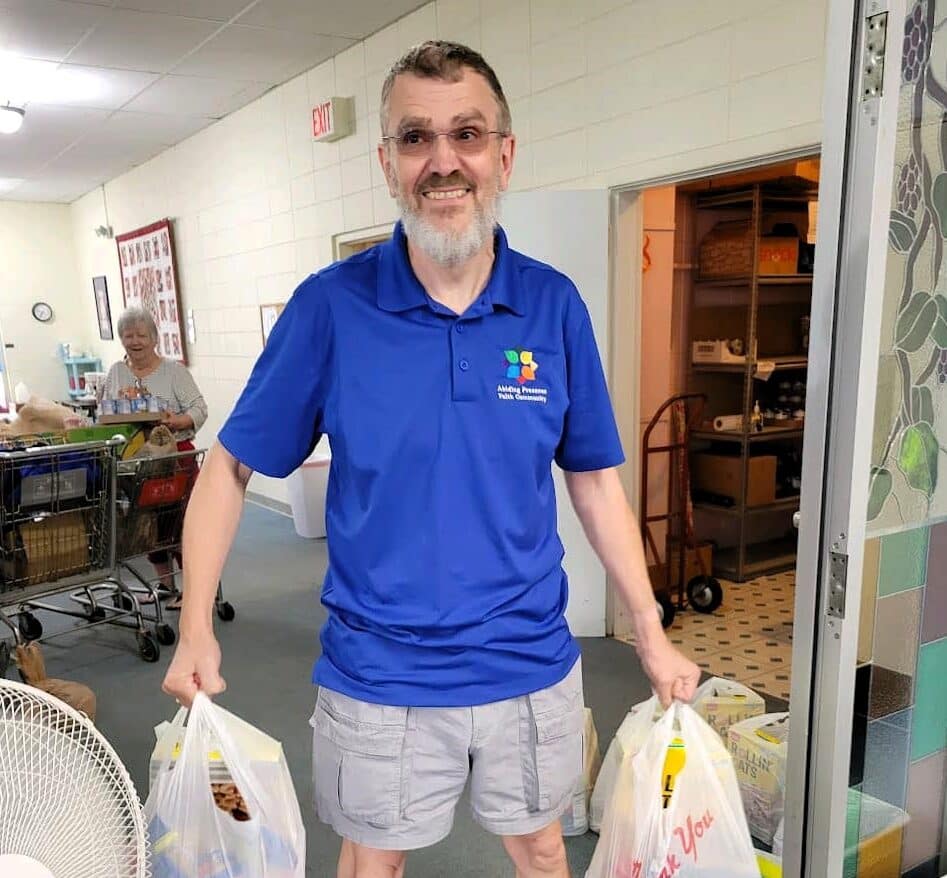
  • Feed the Hungry: Instead of simply abstaining from a favorite food, redirect those resources to stock a local pantry or volunteer at a soup kitchen. When we share bread with the hungry, we fulfill Jesus’ words: “I was hungry and you gave me food”
    (Matthew 25:35).
  • Visit the Sick: In a world where isolation is common, a phone call, hospital visit, or
    delivering a meal can be a sacrament of presence. These small acts proclaim that
    Christ’s healing love is still active through us.
  • Clothe the Naked: Organize a clothing drive or donate gently used garments to shelters. This simple gesture affirms the dignity of those who often feel forgotten.
  • Shelter the Homeless: Support housing initiatives or prepare are kits for those living on the streets. Even small efforts can be signs of hope.

These works are not optional extras; they are expressions of baptismal grace. When we engage in them, we do more than perform charity, we participate in Christ’s mission of reconciliation and renewal.
Lent also calls us to look deeper. Feeding the hungry is not only about bread; it is about advocating for systems that ensure no one goes without. Visiting the sick is not only about comfort; it is about challenging structures that neglect the vulnerable. In this way, our baptismal calling becomes prophetic, urging us to transform the world in love.
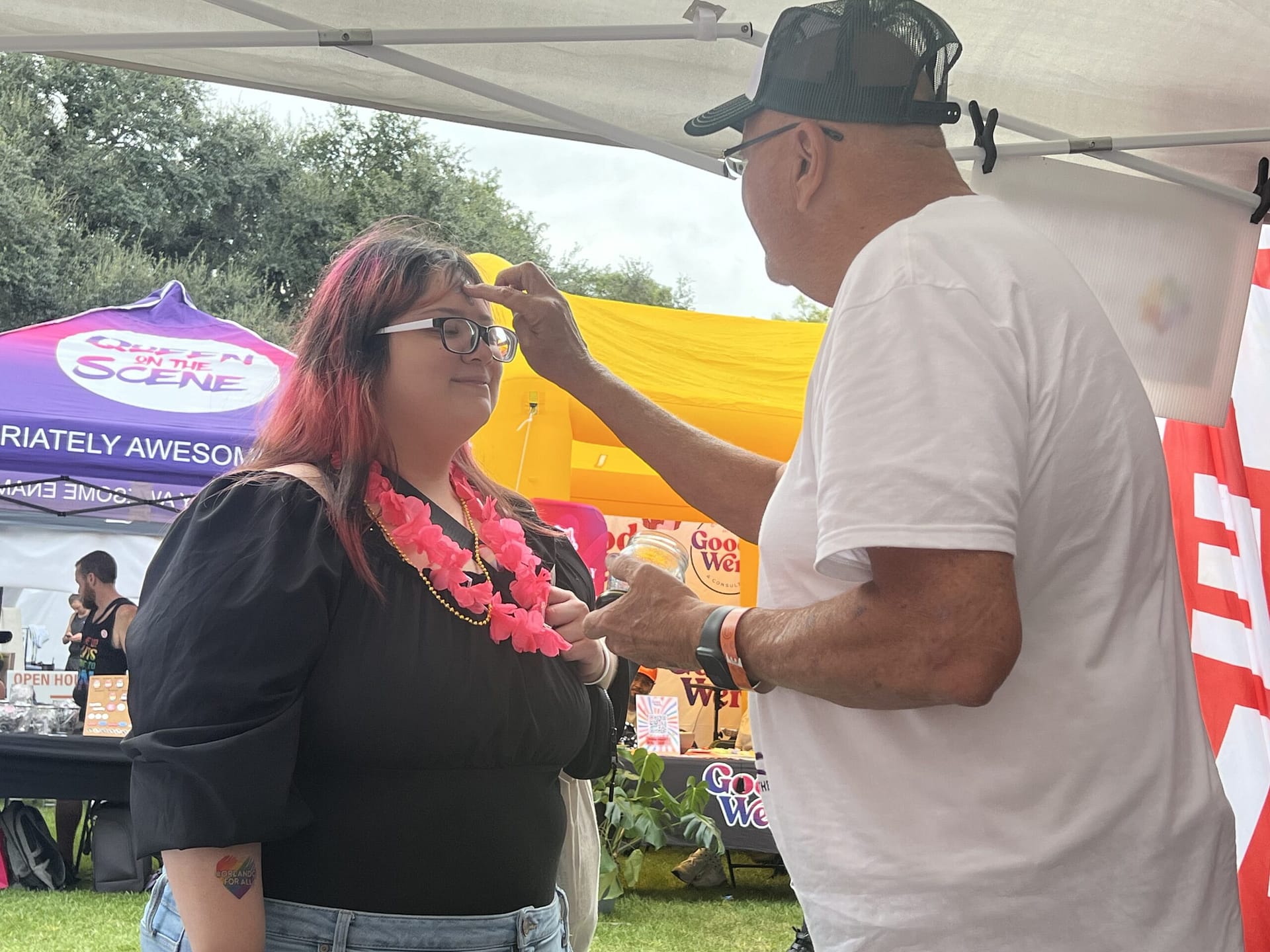
As we journey through Lent, let us remember: the ashes on our foreheads are not a sign of despair but of hope – a reminder that we belong to Christ and are sent to be His presence. Through prayer, fasting, and works of mercy, we make visible the One who is ever with us, bringing light into every shadow.

In Christ’s Love,
+William
Pastor

OFFICE OF THE PRESIDING BISHOP

March 29th, 2026
Palm Sunday
To the faithful of the Reformed Catholic Church and to our Christian sisters and brothers across all
traditions:
Grace and peace to you in the name of Jesus Christ!
At the very heart of the Christian faith stands the proclamation that Jesus Christ is risen. This is not
a secondary belief or seasonal expression of devotion. It is the foundation upon which Christian
hope rests. In the Resurrection, God decisively overcomes sin and death. Christ’s life and teaching
are vindicated, and a new creation begins.
Across continents and cultures, Christians gather at Easter to proclaim the same truth: Christ is
risen! This confession transcends language, liturgical or worship style, and denominational identity. It
is the shared inheritance of all who identify with the Christian tradition. Yet even as we proclaim this
common Paschal faith, we must acknowledge with humility that Christians remain divided. These
divisions obscure the reconciling power of the Resurrection and weaken the clarity of our witness in
the world.
Easter calls us to break all barriers of division and transcend any fear of past differences. The empty
tomb announces not only personal salvation but restored communion. The Resurrection reveals
God’s desire to reconcile what has been broken. If we truly believe that Christ has conquered death
and hostility, then we must also believe that division among Christians is not the final word.
On the night before his Passion, Jesus prayed “that they may all be one… so that the world may believe that
you have sent me” (John 17:21). The unity of those who follow Christ is directly linked to the
credibility of the Gospel. The Apostle Paul affirms this truth when he proclaims that there is “one
body and one Spirit… one Lord, one faith, one baptism” (Ephesians 4:4–5). Even the Old Testament
prophets taught “Do we all not have the one Father? Has not one God created us? Why then do we break faith
with one another, profaning the covenant of our ancestors?” (Malachi 2:10). Unity is not an optional
aspiration. It belongs to the Church’s very nature because the Church is the Body of the risen Christ.
History teaches us that Christian unity has long faced strain. Even within the earliest communities,
believers struggled with rivalry and factionalism. Over the centuries, cultural tensions, theological
disputes, political ambitions and human frailty deepened into lasting separations. The divisions
between East and West, the upheavals of the Reformation, and the formation of the Union of
Utrecht (aka the Old Catholic Church) have shaped the Christian landscape in enduring ways. Many
of these developments arose from sincere efforts to preserve truth, tradition and/or conscience. Yet
they were also shaped by human limitations and pride.
No Christian communion stands without internal tension. Catholic, Protestant, Orthodox and
Independent communities alike wrestle with questions of authority, interpretation, moral
discernment and faithful discipleship. The growth of non-denominational congregations reflects
both the vitality of faith and the longing for authentic Christian belonging. Scripture in and of itself
is not the cause of division. Rather, our finite and sometimes self-interested interpretations of
scripture contribute to separation. Even so, all who are baptized into Christ inherit the same grace,
the same hope, the same redemption.
In our own time, Christians face challenges that urgently call for shared witness. Many endure
persecution, displacement or marginalization. Others confront social fragmentation, political
polarization, economic injustice and moral confusion. In such a world, a divided Christian voice
struggles to speak convincingly of reconciliation. The progress achieved through ecumenical
dialogue in the past century has borne real fruit. Misunderstandings have been clarified. Trust has
grown. And yet, significant theological and pastoral questions remain, especially concerning worship,
authority, scriptural interpretation and moral teaching. Honest engagement requires patience,
humility and courage.
Easter is a privileged season of renewal! During Holy Week and the fifty days that follow, Christians
across traditions gather around the same Gospel accounts of the Passion and Resurrection. We
recall baptismal promises. We proclaim “Alleluia!” We confess that death does not have the final
word. In these shared acts of worship, we experience the unity that is already present in Christ. The
Resurrection belongs to the whole Body of Christ. It is gift before it is doctrine, grace before it is a
point of contention.
Church leadership carries particular responsibility in nurturing this vision of unity. All ministers of
the gospel are called to model ecumenical charity. Easter preaching should emphasize the shared
confession of the risen Christ rather than denominational, political or sectarian interests. Authentic
fidelity to Jesus is never threatened by generosity of spirit.
Unity also grows from the ground up. When clergy gather in prayer, when lay faithful collaborate in
service, when congregations host shared conversations rooted in scripture, trust can take root.
Interchurch families experience both the challenges caused by division and the hope of communion.
Their lived reality reminds us that unity is not abstract theory but daily pastoral concern. Our care
for one another can reflect the breadth of Christ’s welcome.
The divisions that persist among Christians present a serious challenge to our common witness.
They provide a justification for criticism and, at times, dismissal and marginalization from the larger
secular society. Yet despair has no place in light of the empty tomb. The same Holy Spirit who
raised Jesus from the dead continues to guide the Church into deeper truth. By focusing on our
shared confession of the risen Christ, all Christians can consider deeper communion without
denying conscience, conviction or traditions.
Therefore, during this Holy Week and Easter season, we invite all believers to renew their
commitment to pray for unity, to engage in honest and respectful dialogue, and to seek cooperative
service wherever possible. Let us remain faithful to Christ in scripture and in the living tradition of
the Church. Let us trust that the Spirit can draw gifts from every Christian community for the
strengthening of the whole Body of Christ.
May our prayer echo that of Jesus Christ, that all may be one. May our life together reflect the peace
of the risen Christ. And may the joy of Easter embolden us to make manifest the reconciliation
already accomplished in him.


Sincerely,
The Bishops and Board of Directors of the Reformed Catholic Church

If we can be of service to you or if you have questions, please fill out the contact form below.
    Your Name (required)

    Your Email (required)

    Subject

    Your Message